
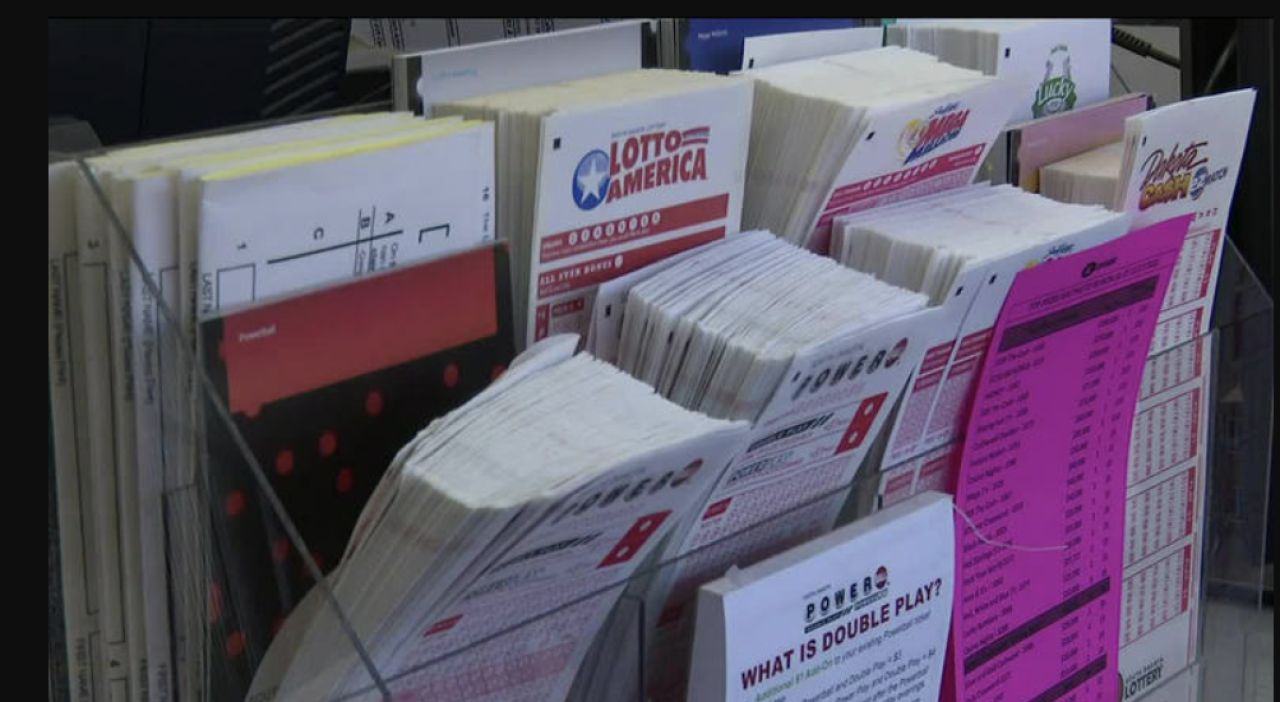
South Dakota residents are among the lightest lottery spenders in the country, according to a new analysis released ahead of Wednesday night’s estimated $409 million Powerball jackpot.
The study from PlayCasino.com found that South Dakotans spent about $78 per person on traditional lottery games during fiscal year 2025. That ranked sixth-lowest among states with lotteries and was far below the national average of roughly $294 per person.
South Dakota Lottery players spent approximately $72.6 million on traditional lottery products during the fiscal year, marking a 16.3% drop from the previous year.
A big share of that spending came from scratch-off tickets:
- Nearly two-thirds of traditional lottery sales were from scratch tickets.
- The figures also include Powerball, Mega Millions, keno and other draw games.
- Video lottery revenue was excluded from the analysis.
South Dakota’s video lottery industry brought in another $333.1 million in net revenue, but that amount was not included because the study focused only on traditional lottery games.
How South Dakota Compared
North Dakota had the lowest per-person lottery spending at $34, followed by Wyoming at $49. South Dakota ranked sixth-lowest, with New Mexico, Montana and Oklahoma also recording lower spending.
At the other end of the list, Massachusetts topped the country at $830 per person, followed by Georgia, Michigan, Maryland and South Carolina.
The analysis also found that traditional lottery sales fell across every state and Washington, D.C., during fiscal year 2025. Nationwide sales dropped by 5.1%.
Powerball Jackpot Reaches $409 Million
Meanwhile, lottery excitement is building as Wednesday night’s Powerball drawing offers an estimated $409 million jackpot, with a $170.2 million cash option.
No ticket matched all six winning numbers in Monday’s drawing, allowing the jackpot to roll over again.
The study used fiscal year 2025 lottery sales data from the North American Association of State and Provincial Lotteries along with U.S. Census Bureau population estimates. Researchers adjusted the figures based on population and left out video lottery terminals, table games and sports betting.
Login